
Trade Overview
Strengthening Trade Relations Through the Australia Free Trade Agreement
The Australia Free Trade Agreement is designed to promote stronger economic cooperation by reducing trade barriers and creating a more efficient framework for cross-border commerce. The agreement aims to simplify trade procedures, improve market access, and support businesses involved in import and export activities with Australia.
Through preferential tariff structures and clearly defined trade rules, the agreement helps businesses reduce duty costs and enhance competitiveness in international markets. It provides a structured approach to trade by outlining eligibility criteria, origin requirements, and compliance standards that ensure smooth and transparent transactions.
By encouraging bilateral trade and regulatory alignment, the Australia Free Trade Agreement supports long-term economic growth and enables businesses to operate with greater confidence, predictability, and efficiency in their trade operations with Australia.
China-Australia Free Trade Agreement
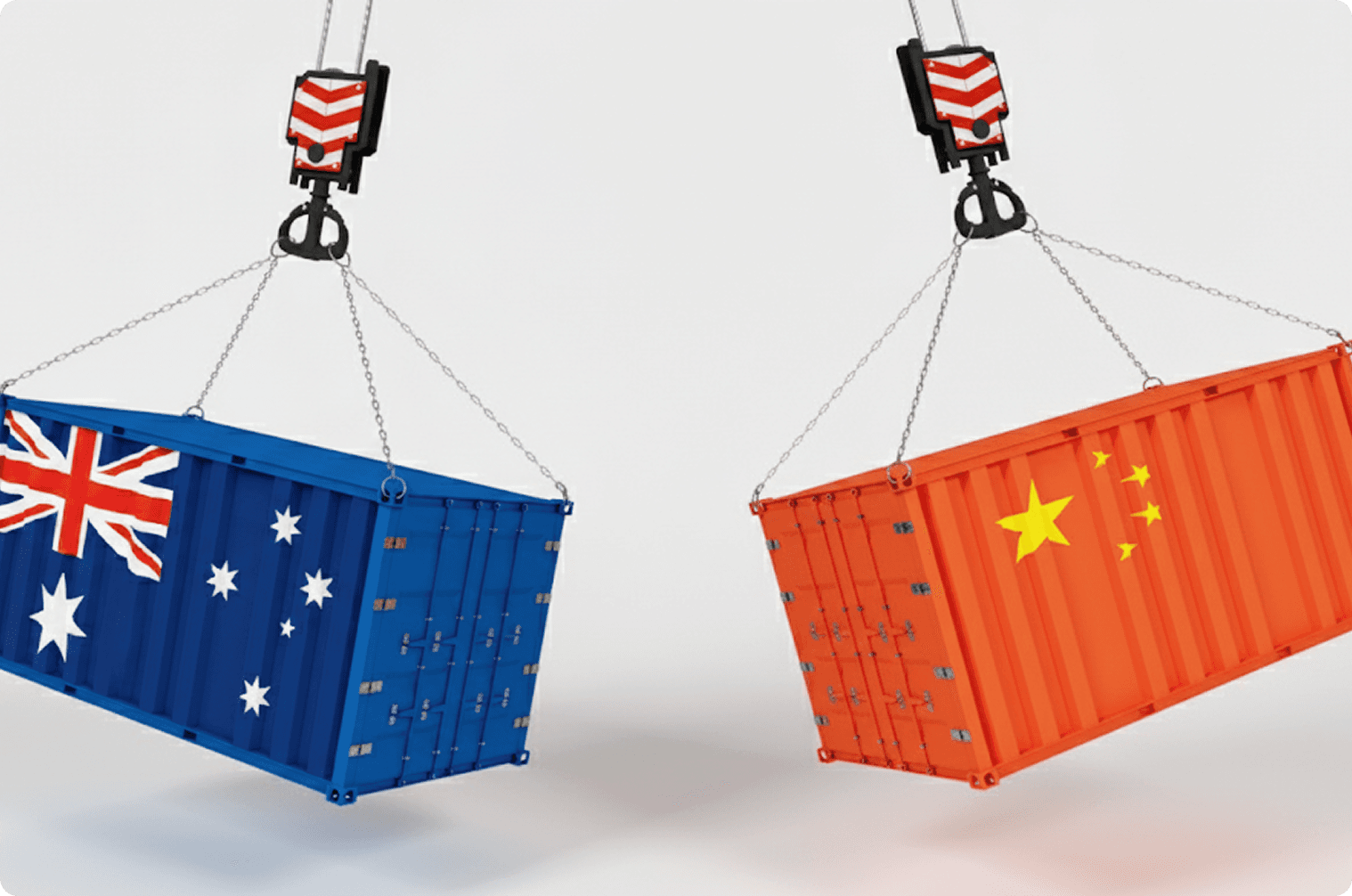
The China-Australia Free Trade Agreement (ChAFTA) entered into force on 20 December 2015. ChAFTA is delivering enormous benefits to Australia, enhancing our competitive position in the Chinese market, boosting economic growth and creating jobs.
Australia-India Economic Cooperation and Trade Agreement (ECTA)
Australian businesses and consumers can now take advantage of the Australia-India Economic Cooperation and Trade Agreement (ECTA), which entered into force on 29 December 2022. Over 85 per cent of Australian goods exports by value to India are now tariff free, rising to 90 per cent by 1 January 2026, and high tariffs have been reduced on some further agricultural products. In addition, 96 per cent of imports from India are now tariff free, rising to 100 per cent by 1 January 2026.
.png&w=3840&q=75)
Indonesia-Australia Comprehensive Economic Partnership Agreement
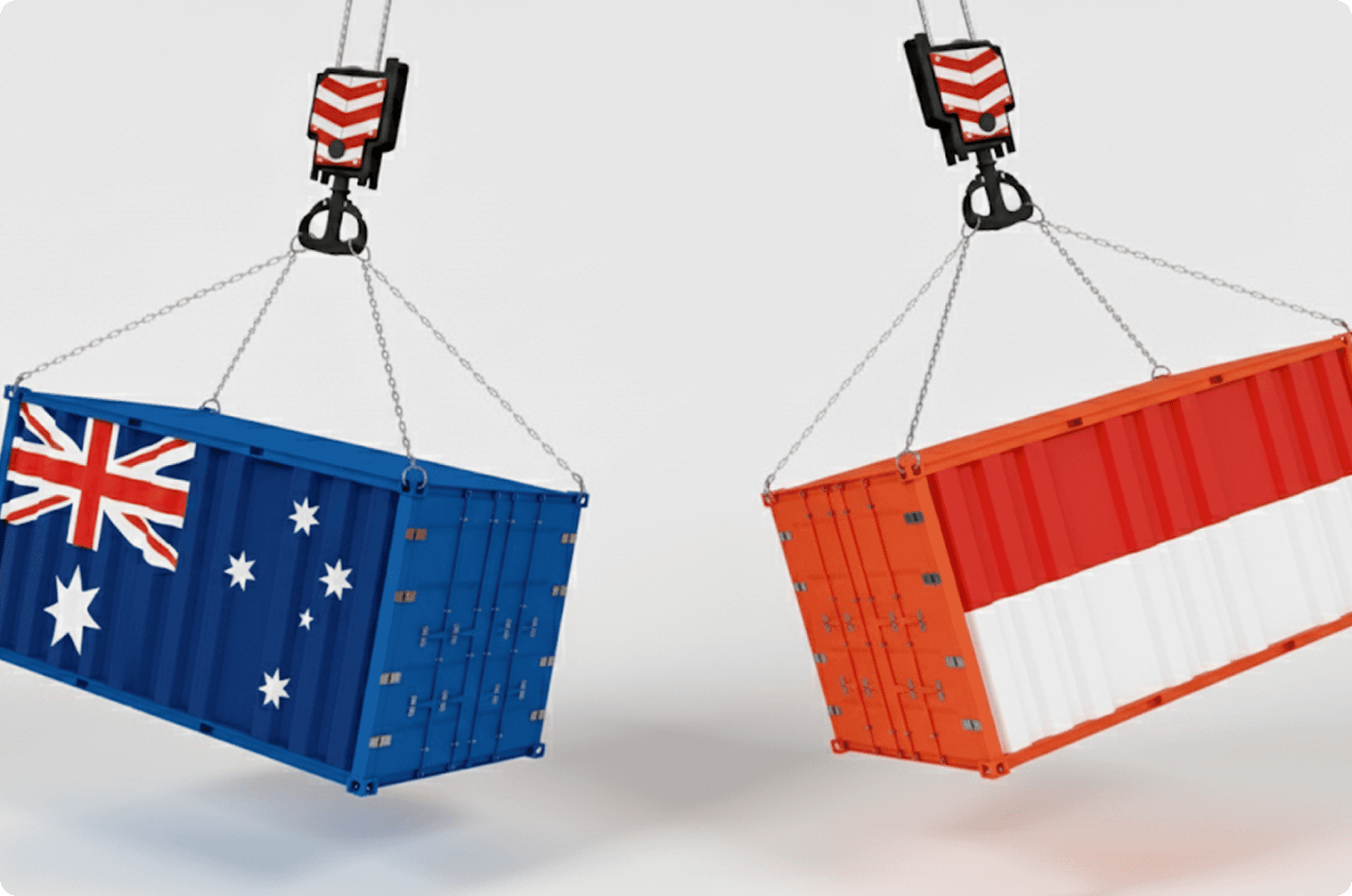
Indonesia is a growing market for Australian goods and services exporters. In 2021-22, total two-way trade in goods and services with Indonesia was worth A$18.35 billion, making Indonesia our 14th largest trading partner. IA-CEPA provides Australian and Indonesian businesses an opportunity to expand and diversify this economic partnership.
Australia-United States FTA
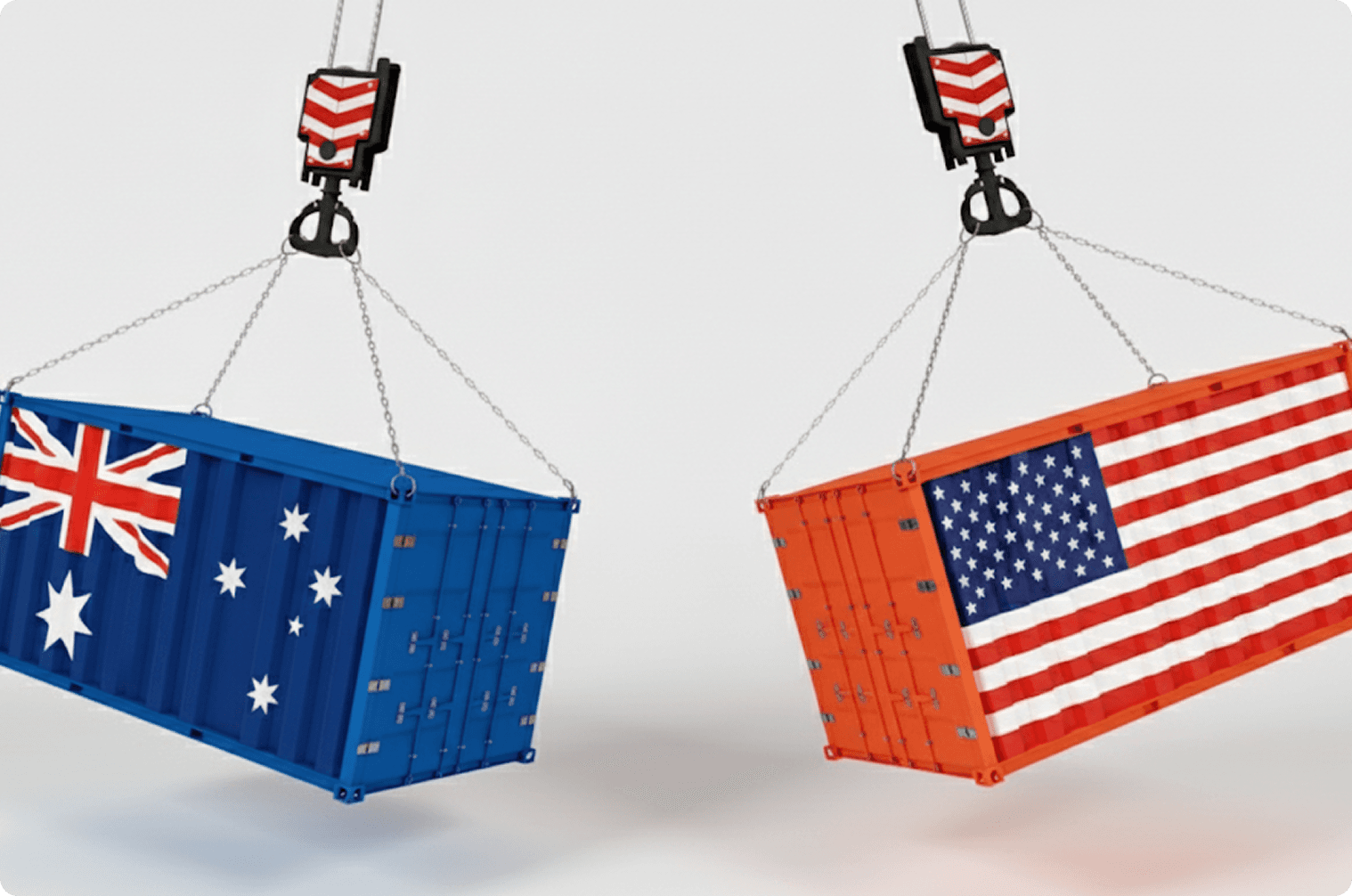
The Australia-United States Free Trade Agreement (AUSFTA) entered into force on 1 January 2005. Upon AUSFTA's entry into force, more than 97 per cent of Australia's non-agricultural exports to the United States (excluding textiles and clothing) became duty free and two-thirds of agricultural tariff lines went to zero. 96.1 per cent of all Australian exports are now tariff-free. Under AUSFTA, Australian companies also have access to the federal government procurement market in the United States and the government procurement markets of 31 US states.
Australia-Hong Kong Free Trade Agreement
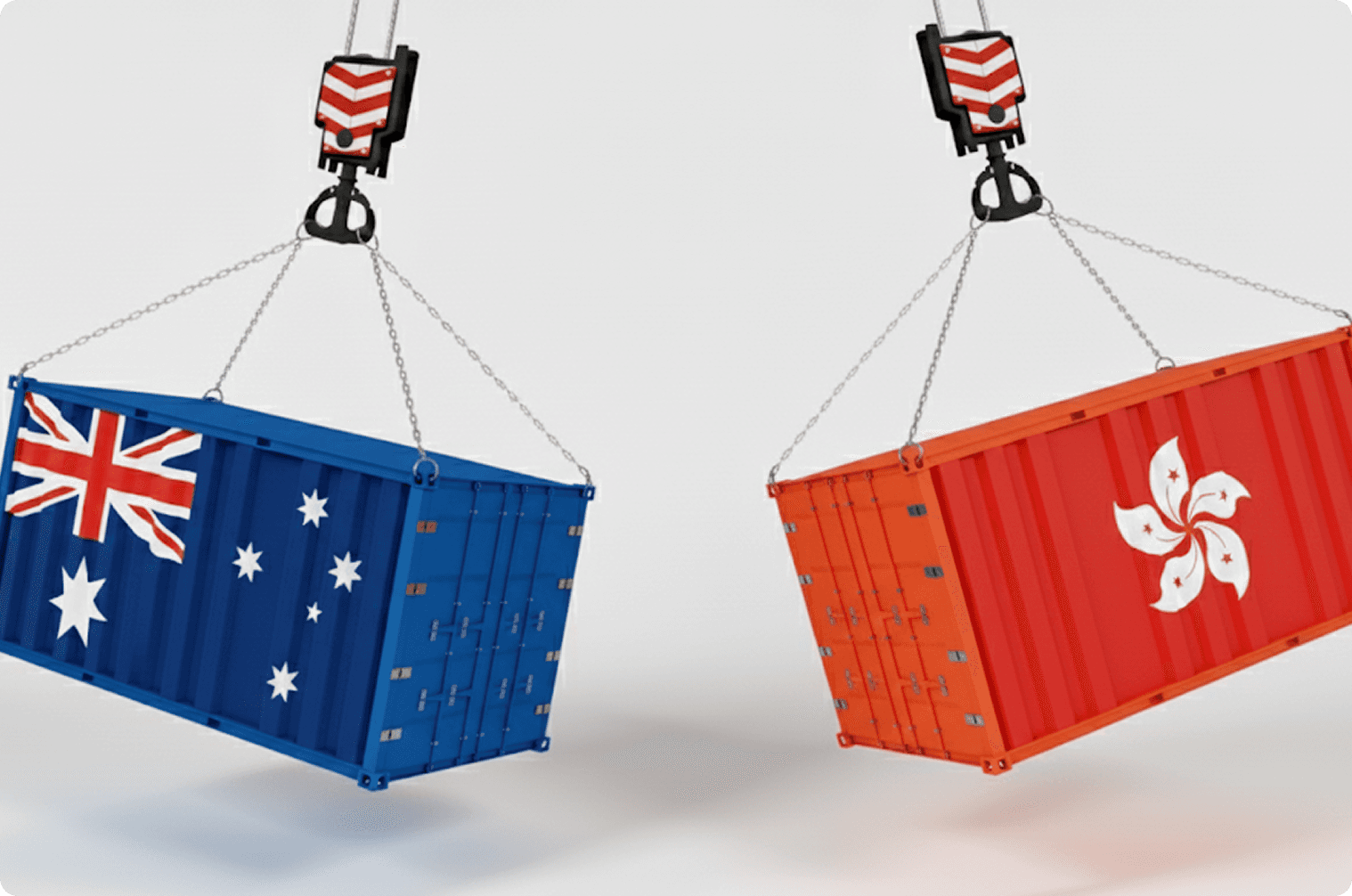
This free trade agreement and associated investment agreement launched a new chapter in economic relations between Australia and Hong Kong. The agreements provide Australian businesses greater certainty to trade and investment activities in Hong Kong. They also reaffirm the value Australia places on the high degree of autonomy enjoyed by Hong Kong through the "One Country, Two Systems" framework.
Japan-Australia Economic Partnership Agreement
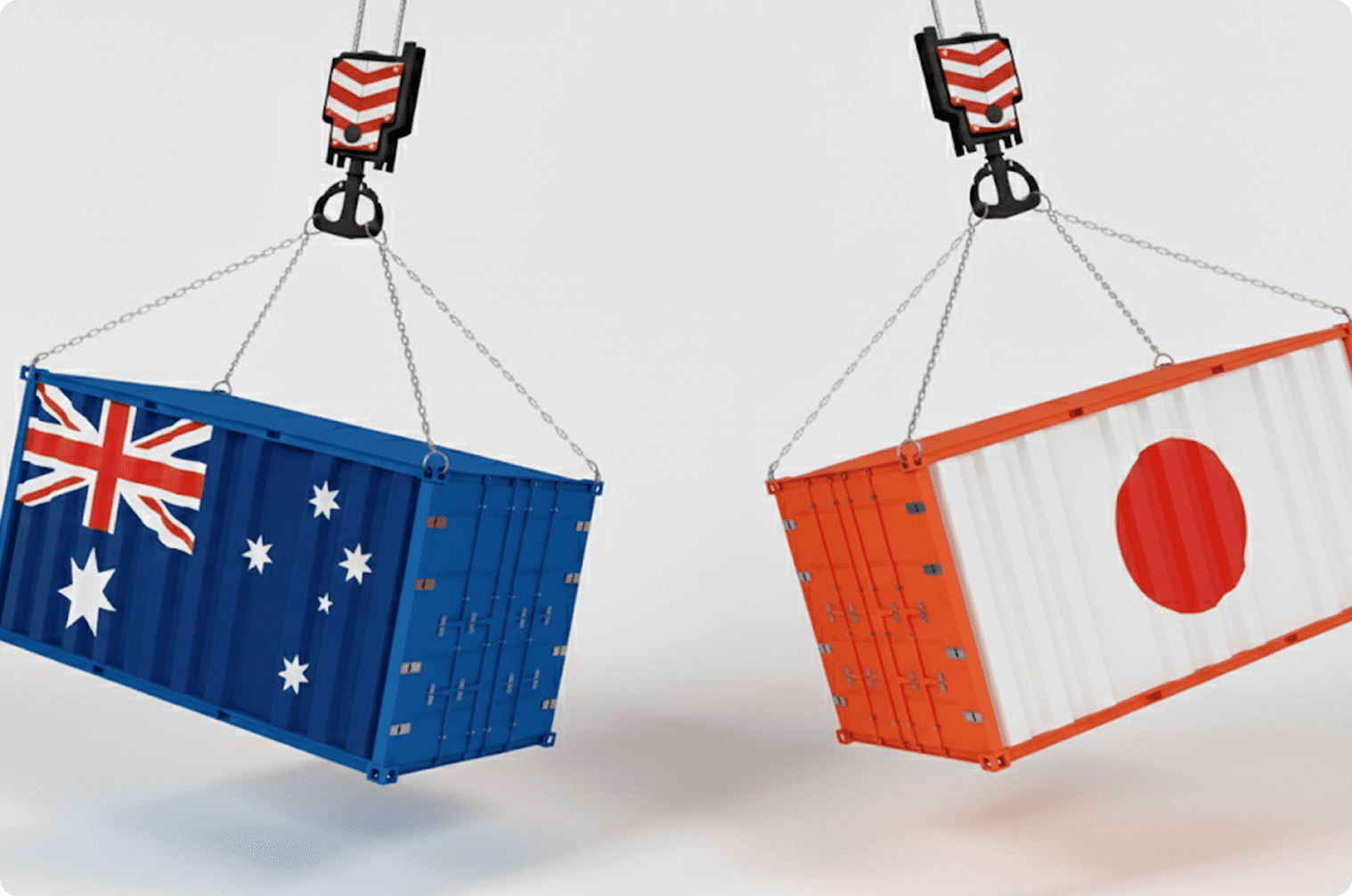
The Japan-Australia Economic Partnership Agreement (JAEPA) entered into force on 15 January 2015. The Agreement provides valuable preferential access for Australia's exporters and supports growth in two-way investment. JAEPA delivers strong outcomes for Australian businesses and is one of Australia's most utilized agreements with two-way preference utilization above 95 percent.
Freight Incoterms
The Incoterms rules or International Commercial terms are a series of pre-defined commercial terms published by the International Chamber of Commerce (ICC) widely used in international commercial transactions. A series of three-letter trade terms related to common sales practices, the Incoterms rules are intended primarily to clearly communicate the tasks, costs, and risks associated with the transportation and delivery of goods. The Incoterms rules are accepted by governments, legal authorities, and practitioners worldwide for the interpretations of most commonly used terms in international trade. They are intended to reduce or remove altogether uncertainties arising from different interpretations of the rules in different countries. First published in 1936, the Incoterms rules have been periodically updated, with the eighth version—Incoterms 2010—having been published on January 1, 2011. "Incoterms" is a registered trademark of the ICC.